Fistula treatment in Indore
Fistula Treatment in Indore | Advanced Care by Dr. Pronab Haldar
If you are suffering from pain, swelling, or discharge near the anal area, you may be dealing with an anal fistula. Getting timely medical care is important to avoid complications and recurring infections. If you are searching for fistula treatment in Indore, expert consultation and proper diagnosis can help you recover faster.
At Dr. Haldar’s Piles Care Centre, patients receive specialized treatment for anorectal disorders such as piles, fistula, fissure, pilonidal sinus, and rectal prolapse using modern medical techniques and Ayurvedic procedures
Piles Treatment Indore
Common Symptoms of Anal Fistula
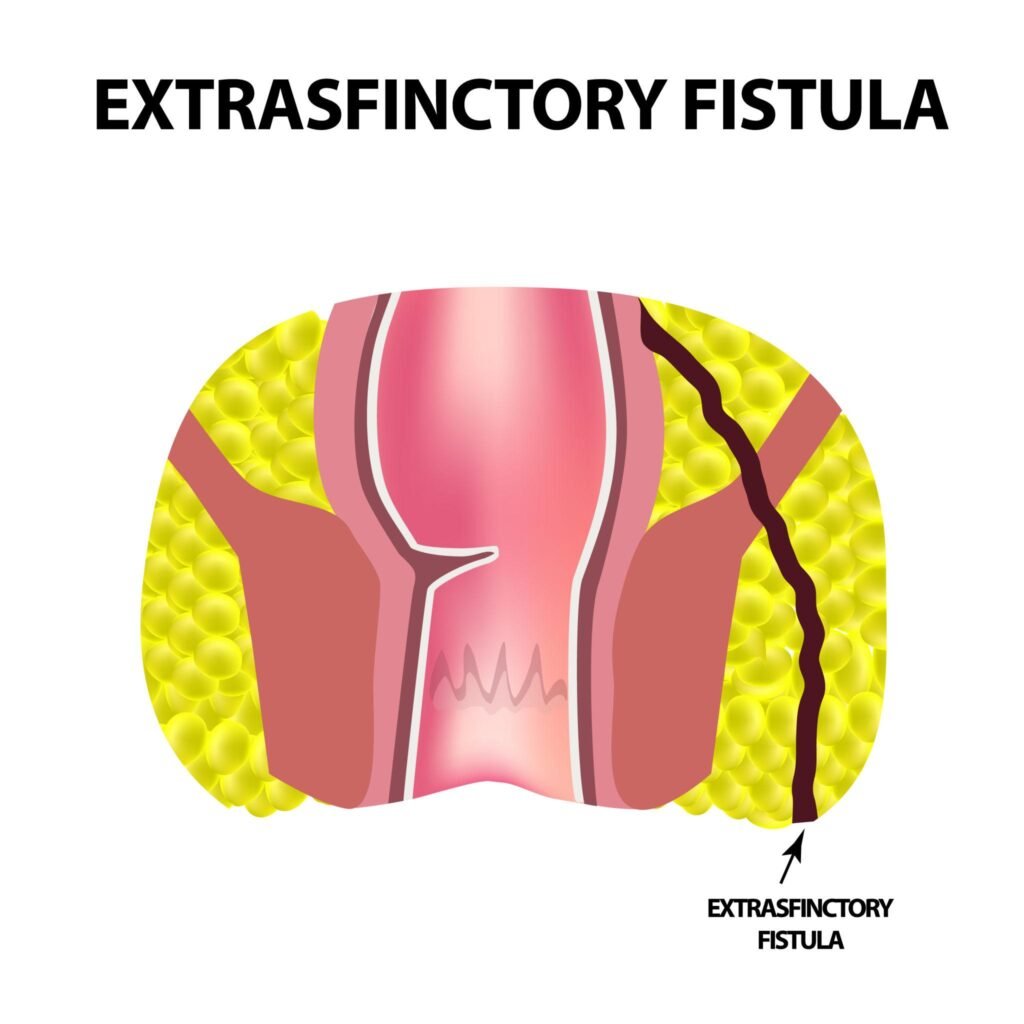
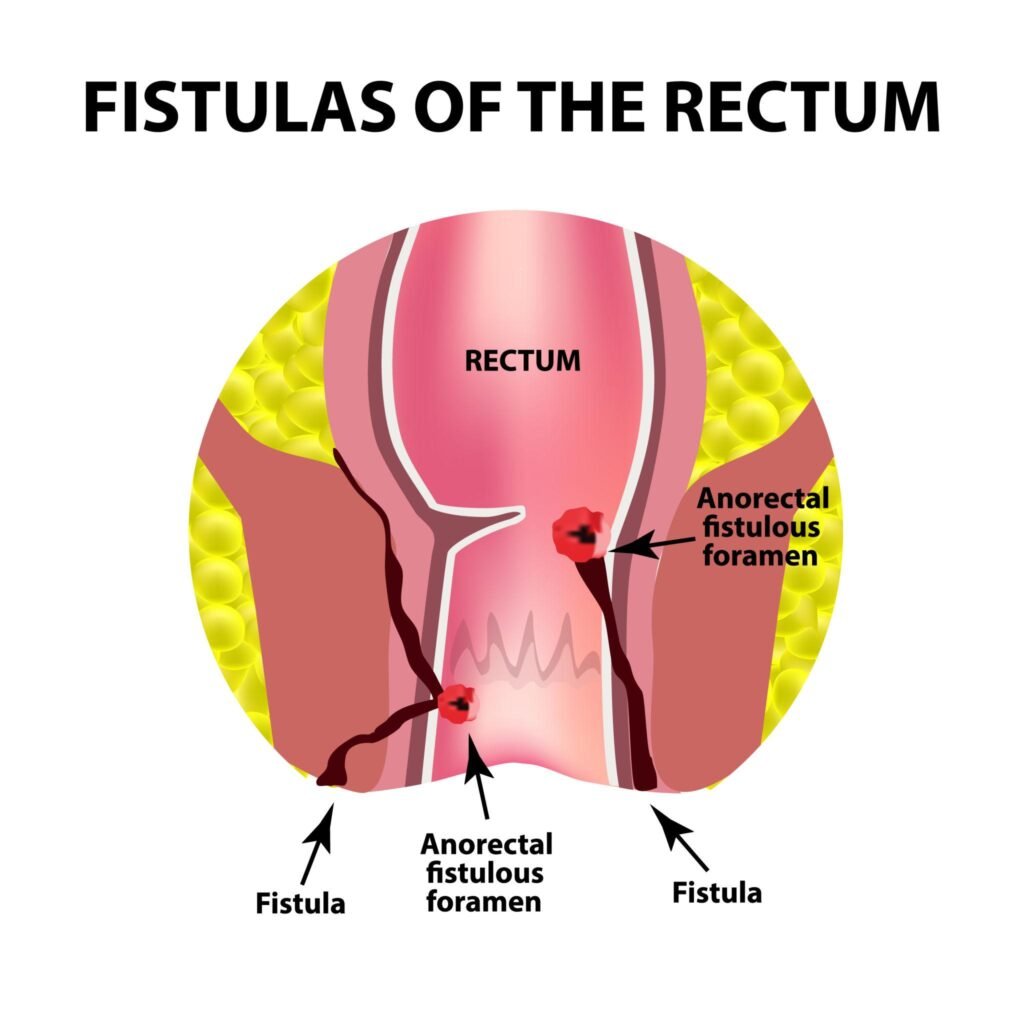
An anal fistula is a small infected tunnel that develops between the anal canal and the skin near the anus. It usually forms after an anal abscess or infection. Recognizing the symptoms early can help you get timely treatment and prevent complications.
1. Persistent Pain Around the Anus
One of the most common symptoms is continuous pain or discomfort around the anal area. The pain may worsen when:
Sitting for long periods
Passing stool
Walking or physical activity
2. Swelling and Redness
Patients often notice swelling or a tender lump near the anus. The skin around the affected area may appear red and inflamed.
3. Pus or Blood Discharge
A typical sign of fistula is persistent discharge of pus or blood from a small opening near the anus. This discharge may cause:
Foul smell
Staining of underwear
Skin irritation
4. Recurrent Anal Abscess
Many patients experience repeated abscess (painful pus-filled swelling) in the same area. When the abscess drains, it may leave a fistula tract.
5. Itching and Skin Irritation
Continuous discharge from the fistula can cause:
Itching around the anus
Burning sensation
Skin irritation
6. Fever or Fatigue
In some cases, infection may cause:
Mild fever
Weakness
General discomfort
7. Pain During Bowel Movements
Passing stool can become painful due to inflammation and infection in the anal region.
What Are The Complications of Haemorrhoids?
- Severe anal bleeding, which could lead to anemia
- Risk of infection
- Could be due to strangulated hemorrhoid, where the blood supply to the hemorrhoid is cut off, leading to a blood clot and/or infection
- Fecal incontinence – It’s the inability of a person to control bowel movements
- Anal fistula – A canal between the surface of the skin around the anus and the inside of the anus.
What Are The Grades of Piles?
- Grade-I: Small inflammations all over the inner lining of the anal canal.
- Grade-II: It remains inside the anus but larger in size than Grade I. These could get pushed out during bowel movement.
- Grade-III: Is visible outside the anus. Hanging haemorrhoids from the rectum can be felt but can easily be reinserted.
- Grade-IV: There are large haemorrhoids observed, which remain outside the anus. These cannot be pushed back inside and need to be treated without any delay.
How Are Piles Diagnosed?
If your doctor suspects piles, he may use various types of diagnostic techniques to confirm the condition and to determine the type and severity of the condition. Your doctor may start the diagnosis procedure with a physical checkup of the patient’s anus. If he confirms the presence of this condition, he may perform a digital rectal examination to check for signs of piles inside the anus.
In cases where the doctor suspects internal piles, he may carry out a test called Sigmoidoscopy. Under this diagnostic test, the doctor inserts a small tube with fiber-optic into the rectum to check for the possibility of internal hemorrhoids. A sigmoidoscope provides a clear view of internal hemorrhoids and can also help detect other complications.
At Vitality’s Laser Piles Clinic, we use top-grade technology to diagnose piles and any complications associated with it.
Questions to Ask While Diagnosing Piles
- Does any family member have piles?
- Do you observe blood in your stools?
- Is there mucus in the stools?
- Has there been any recent and sudden weight loss?
How Are Piles Treated?
At Dr. Haldar’s Piles Clinic in Indore, our doctors employ the most advanced treatment methods for effective painless treatment for piles. Some of the piles treatment options used at Haldar’s Piles Clinic include:
- Elastic Ligature: This is one of the most commonly used and effective laser treatment for hemorrhoids. In an elastic ligature, an elastic band is placed at the base of the swollen blood vessel, which blocks blood flow to hemorrhoids. This causes it to shrink and break down.
- Coagulation: In this procedure, infrared rays are applied to the vein supplying blood to the haemorrhoid. This blocks the blood supply causing hemorrhoids to retract.
- Sclerosing Treatment or Sclerotherapy: In this treatment, a chemical is injected at the base of hemorrhoids, which causes it to harden and retract.
- Stapled Haemorrhoidopexy: In this method, the piles are stapled back to its original place.
- Laser Haemorrhoidoplasty: It is a minimally invasive procedure where laser beams are directed towards the target tissue, which causes the narrowing or closing of the blood vessels that supply blood to the haemorrhoids. This leads to the drying and deflation of the hemorrhoids.
Home Remedies & Medication
FREQUENTLY ASKED QUESTIONS
Piles Treatment.